Recycling and Sustainability for Gardeners Harlesden
 Gardeners Harlesden takes a practical, neighbourhood-first approach to sustainability, with recycling built into everyday garden maintenance rather than treated as an afterthought. From pruning waste to old pots, soil bags, and plant debris, responsible green waste handling helps keep projects tidy while reducing pressure on landfill. Our garden recycling in Harlesden supports a cleaner local environment and reflects the wider move across North West London toward more efficient resource use. In a busy urban area where space is limited and waste streams are closely managed, a thoughtful system matters. We aim for a recycling percentage target of 90% for recoverable green waste and reusable materials, keeping as much as possible in productive circulation.
The work begins with separation. Organic material such as hedge cuttings, grass, leaves, and untreated wood is collected for composting or mulching, while reusable containers, metal fixtures, and hard plastics are sorted for appropriate recycling routes. This approach aligns with the boroughs’ emphasis on clearer waste separation, where residents and businesses are encouraged to keep food waste, garden waste, dry recyclables, and residual rubbish apart. By following the same principles on site, Harlesden gardeners can contribute to lower contamination rates and more effective local processing. In practice, that means less mixed waste leaving a job and more material being sent to the correct facility.
We also favour careful material selection before a project even begins. Whenever possible, we choose reusable ties, durable plant supports, and refillable supplies rather than single-use alternatives. 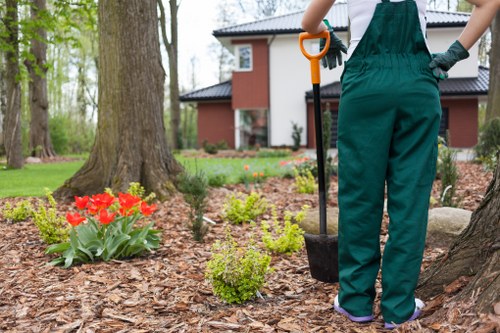 Small changes like these matter because they reduce the overall waste footprint of a garden over time. In an area where many properties are compact and refurbishment often happens alongside landscaping, the ability to reuse components is especially useful. Garden waste recycling in Harlesden is not just about disposal; it is about designing a cleaner cycle from the start.
Local transfer stations play an important role in this process. Materials that cannot be reused on-site are taken to approved transfer stations where they can be weighed, sorted, and routed to the right treatment stream. These facilities help handle bulkier green waste efficiently, particularly after seasonal clear-outs or larger planting projects. For gardeners in Harlesden, transfer stations provide a reliable bridge between domestic-scale work and the broader borough waste infrastructure. They support separation of organics, wood, metals, and general debris, helping ensure each fraction is managed with minimal loss.
We also work with local charities and community reuse partners to give suitable items a second life. Pots, planters, hand tools, decorative containers, and some furniture pieces can often be passed on rather than discarded. Partnerships with charities are especially valuable when items are still functional but no longer needed on a project. This not only reduces waste but also supports neighbourhood groups, community gardens, and low-income households that can benefit from donated materials. In the spirit of sustainable gardening in Harlesden, reuse is treated as a practical and social good, not merely a cost-saving measure.
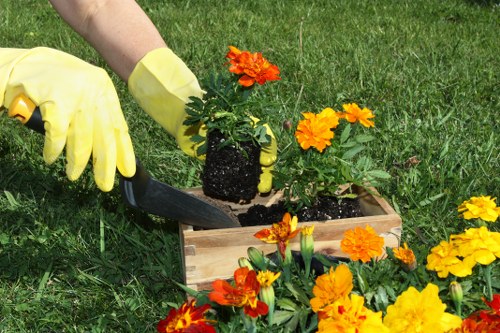 For organic waste, our priority is to keep biodegradable material out of general rubbish streams. Branches and hedge trimmings can be chipped for mulch, while softer green waste is directed towards composting routes where permitted. These practices reflect the borough’s broader waste separation approach, which places value on collecting materials in the cleanest possible form. Better separation means better outcomes: more useful compost inputs, fewer contamination issues, and less need for energy-intensive disposal. Harlesden garden recycling therefore supports both local ecology and efficient municipal processing.
Transport is another area where sustainability makes a noticeable difference. Gardeners Harlesden uses low-carbon vans that are chosen to reduce emissions on local journeys between sites, transfer stations, and material suppliers. Efficient routing helps shorten travel distances, while modern vehicles lower fuel use compared with older fleets. In a densely populated district, fewer unnecessary miles also mean less congestion and cleaner air. For a service operating across nearby boroughs and estates, switching to lower-emission transport is one of the clearest ways to cut everyday carbon output.
Our low-carbon approach extends to load management as well. Vans are packed to make the most of each trip, reducing repeat journeys for waste removal or material drop-offs. When a planting scheme produces a mix of green waste, packaging, and salvageable items, careful sorting before loading ensures that recyclable fractions remain separate and usable. This method is particularly relevant in areas where council collections and borough recycling systems already depend on clean separation of waste types. By mirroring those standards, Gardener Harlesden recycling practices help keep each site aligned with local sustainability goals.
We also pay attention to the lifecycle of materials used in planting and maintenance. Compost, mulch, and soil improvers are selected with a view to durability and responsible sourcing, while damaged equipment is repaired where possible before replacement is considered.  In many Harlesden projects, sustainability is improved by small but deliberate decisions: choosing recyclable packaging, avoiding unnecessary plastics, and recovering leftover aggregates or topsoil for future use. These habits may seem modest, but together they create a more circular way of working that suits the environmental priorities of urban gardening.
As recycling systems across local boroughs continue to evolve, gardeners have a useful role in keeping waste streams clean and useful. Shared bins, mixed-use developments, and high-density housing can make waste separation more challenging, so professional garden teams need to be especially disciplined. We support this by separating compostable material from recyclable hardware, keeping contaminated items out of recovery routes, and ensuring that transfer station deliveries are prepared correctly. This supports the wider aims of borough waste strategies, which depend on residents and contractors sorting materials at source.
In practical terms, that means a Harlesden garden clearance can produce several distinct recycling paths at once: green waste for composting or mulching, timber for recovery where suitable, metals for recycling, and reusable items for charity partners. The same attention applies to packaging from new plants and supplies, which is reduced wherever possible and sorted carefully when unavoidable. Gardeners Harlesden sustainability is therefore built on clear routines, clean separation, and responsible movement of materials through local recovery systems.
 By combining a 90% recycling target, local transfer station use, charity partnerships, and low-carbon vans, Gardeners Harlesden offers a sustainability-led service that fits the character of the area. The goal is simple: keep more in use, waste less, and support greener streets and gardens across the community. For clients who value practical environmental action, this approach makes everyday garden care part of a larger circular economy.