Brent Council Garden Waste Rules and Gardeners Options: A Practical Local Guide
If you are trying to keep a garden tidy in Brent, the rules around green waste can feel a bit confusing at first. One week it is grass cuttings and hedge trimmings, the next it is branchy prunings, soil, or a pile of leaves after a windy spell. Brent Council garden waste rules and gardeners options matter because the wrong disposal choice can waste time, raise costs, or leave you stuck with a heap of material you cannot simply put out for collection.
This guide breaks it down in plain English. You will learn what usually counts as garden waste, how council collection and DIY disposal typically work, when composting makes more sense, and where professional gardeners can save you a lot of hassle. We will also look at common mistakes, compliance considerations, and the most practical ways to manage green waste without turning your weekend into a mini excavation. Truth be told, that is the bit nobody wants.
Why Brent Council garden waste rules and gardeners options Matters
Garden waste is one of those things that seems simple until you start dealing with it every few weeks. A bag of clippings is easy enough. A whole season's pruning from a hedge, a bed clearance, or a stripped-back border? Not so easy. That is where knowing the local rules and your practical options becomes genuinely useful.
For Brent residents, the key point is not just disposal. It is deciding the cleanest, cheapest, and most reliable route for the amount and type of waste you produce. A small front garden has very different needs from a larger back garden, and a light monthly tidy is nothing like a full restoration after months of growth. If you already use regular help, it is worth pairing your waste plan with a broader garden maintenance routine so the mess does not build up in the first place.
There is also a practical side to this that people sometimes overlook. Proper garden waste handling can reduce smells, avoid pests, keep paths clear, and make the whole garden easier to enjoy. You notice it on a damp Tuesday morning when the bins are already full and there is still a mound of hedge cuttings sitting there. Not ideal.
And for households or landlords managing shared outdoor areas, the stakes are higher. Waste left unchecked can create complaints, trip hazards, and an untidy impression that drags down the whole property. If you are balancing presentation with day-to-day practicality, good waste planning is not a small detail. It is part of the job.
How Brent Council garden waste rules and gardeners options Works
In simple terms, most councils separate garden waste from general rubbish because it can often be composted or processed differently. Brent residents should always check the current council instructions for the exact accepted materials, container rules, collection frequency, and any subscription or permit details. Councils do change service terms from time to time, so do not rely on old habits or a neighbour's memory from two summers ago.
Usually, garden waste collection systems focus on organic materials such as grass cuttings, leaves, plant trimmings, small branches, and similar green debris. But there are commonly exclusions too. Soil, rubble, treated wood, plastic plant pots, general rubbish, and invasive or problematic material often need separate handling. If a gardener is clearing a site, they need to sort everything properly before it leaves the property. That sorting stage matters more than people think.
Gardeners typically work with one or more of these options:
- Council green waste collection for regular, permitted garden materials.
- Home composting for soft organic waste and smaller volumes.
- Private waste removal for bulk clearances or mixed garden debris.
- Reuse and mulch conversion for branches, leaves, and woody material.
- On-site reduction through better pruning, trimming, and staged clearance.
If your garden is part of a larger project, your waste plan may sit alongside other services such as landscaping, tree surgery, or even hedge trimming. Those jobs often create more material than homeowners expect, especially after the first proper cutback of the year.
A useful way to think about it is this: the more regular your garden care, the easier the waste becomes to manage. A once-a-year jungle clearance tends to produce bulky, awkward waste. Frequent light maintenance produces lighter, easier-to-handle green waste. It is a lot more civilised, frankly.
Key Benefits and Practical Advantages
Sorting out garden waste properly is not glamorous, but the benefits are real and immediate. The most obvious one is a tidier outdoor space. That sounds obvious, yes, but a clean garden feels calmer, looks cared for, and is easier to work in.
Here are the practical advantages most people notice first:
- Less clutter: cuttings, leaves, and branches are dealt with before they spread across paths or borders.
- Better hygiene: damp organic waste can attract flies, rodents, or fungal issues if left too long.
- Safer access: removing loose debris helps prevent slips and trips.
- Improved plant health: routine pruning and clearance reduce disease carryover and allow better airflow.
- More room for composting: not every bit of waste should be thrown away; some of it can be reused.
- Less stress during peak seasons: autumn leaf fall and spring cutbacks are far easier when you have a system.
There is also a budget angle. If you reduce the amount of mixed waste you create, you usually reduce the time and effort needed to move it, bag it, load it, or pay for disposal. Even small efficiencies add up across a year. One less wasted trip to the tip. One less overfilled bin. It all helps.
For households that prefer a polished finish, waste management is closely tied to presentation. A garden with neat edges, cleared beds, and no leftover piles simply looks more intentional. If you care about the wider feel of the space, ideas from calming garden design approaches and comfortable garden seating ideas become easier to enjoy when the space is not busy with waste bags.
Who This Is For and When It Makes Sense
This topic is relevant to far more people than just keen gardeners. In fact, it touches a pretty mixed group:
- Homeowners with small or medium gardens who want simple disposal habits.
- Landlords and managing agents responsible for shared outdoor spaces.
- Busy families who need a quick, low-fuss clearance plan.
- Older homeowners who want practical help without repeated heavy lifting.
- People doing seasonal cutbacks after winter damage or summer growth.
- Anyone planning a full tidy-up before photos, a sale, or a garden event.
It also makes sense if your garden has awkward features. Dense planting, narrow side access, sloping ground, or heavy clay soil can make waste removal much harder than expected. If you have ever tried to carry wet green waste through a side passage on a windy afternoon, you already know the feeling. It is not elegant.
For people starting from scratch, it can help to use broader gardening guidance too. Articles like foundational gardening tips for beginners and essential gardening tools can make the whole process simpler, because better garden care usually means less waste in the first place.
In short, if your garden produces anything from a modest weekly bag of clippings to serious seasonal brash, it pays to have a plan. Waiting until the heap is towering usually costs more energy later. Been there, regretted that.
Step-by-Step Guidance
If you want a practical way to manage Brent garden waste without overthinking it, follow this sequence.
- Sort the waste at source. Separate soft green waste, woody material, soil, and non-garden rubbish before you pile it up.
- Check what your collection method accepts. Council systems and private services do not always take the same materials.
- Reduce volume where possible. Cut long branches down, shake soil from roots, and flatten leafy material so it takes up less space.
- Decide what can stay on-site. Healthy leaves, shredded stems, and some prunings can be composted or mulched.
- Bag or bundle safely. Use a method that is easy to carry and does not split halfway down the path. That part matters more than it sounds.
- Book collection or arrange removal. Time it to match your garden work, not the other way around.
- Review the result. If the same waste issue keeps returning, the garden may need a different maintenance schedule.
A sensible workflow can save a surprising amount of time. For example, if you are pruning a hedge, collect clippings as you go instead of making one giant end-of-job pile. The same applies to lawns and beds. A little organisation up front avoids the dreaded second job at the end.
If your garden needs a bigger reset, this is often the point where professional help becomes attractive. Services such as ongoing garden maintenance, lawn mowing, or lawn care can keep waste levels steady rather than spiky.
And if the garden has become a bit untidy or overgrown, do not panic. A phased approach is usually better than trying to fix everything in one frantic afternoon. To be fair, that is how most people burn out halfway through.
Expert Tips for Better Results
Here are the practical habits that make waste management easier over time, not just for one clean-up.
- Prune little and often. Frequent light cuts usually produce manageable waste and healthier plants.
- Use mulch where suitable. Shredded organic matter can help protect soil and reduce waste volume.
- Plan seasonal clearances. Autumn leaves and spring cutbacks are predictable, so schedule for them.
- Keep a separate heap for compostable waste. Mixing everything together creates more disposal work later.
- Choose plants that fit the space. A low-maintenance border generally creates less waste than an over-ambitious planting scheme.
- Factor in access. A narrow side gate or awkward steps may make full-load removal less practical than smaller, frequent collections.
One small but important tip: wet waste is much heavier than dry waste. If rain is coming, sort and remove what you can before the garden turns into a soggy cart-load. You will thank yourself later.
For homeowners interested in a more self-sustaining approach, the principle behind turning organic debris into fertile soil is simple and very useful. Not every cutting needs to leave the property. Some of it can come back as compost or mulch, which is a nice little circle of usefulness.
There is also an aesthetic bonus. Cleaner edges, fewer debris piles, and a clearer plan for waste can make the whole garden feel more deliberate. If you are aiming for something stylish, the balance between tidy maintenance and planting structure matters a lot. More than most people realise, actually.
Common Mistakes to Avoid
Most waste problems come from a few predictable mistakes. They are easy to avoid once you know what to look for.
- Mixing garden waste with general rubbish. This can cause collection issues and make recycling harder.
- Assuming every branch or root can go out with green waste. Heavy woody material and soil often need different handling.
- Leaving cuttings in piles for too long. Damp organic matter starts to smell and can attract pests.
- Overfilling bags or bins. It sounds efficient, but it usually makes lifting and collection harder.
- Ignoring seasonal surges. Leaves, hedge cuttings, and storm debris build up fast when the weather turns.
- Forgetting about access routes. A perfectly sorted pile is still a problem if it cannot reach the collection point.
Another common slip is over-pruning because the garden "needs a proper chop." Sometimes that is true, but sometimes it just creates a mountain of waste and weakens the plant. A measured trim is usually smarter. And less dramatic, which is nice.
If the garden has weeds, brash, or neglected corners, the waste pile often becomes a symptom of a bigger issue. Tackling the source helps. You may also find useful ideas in simple weed control guidance and ideas for restoring an untamed garden.
Tools, Resources and Recommendations
You do not need a van full of specialist gear to handle garden waste well, but a few basics make a huge difference.
- Heavy-duty gloves for thorny clippings and rough branches.
- Bypass secateurs and loppers for cutting material down to size.
- A garden rake for collecting leaves and loose debris.
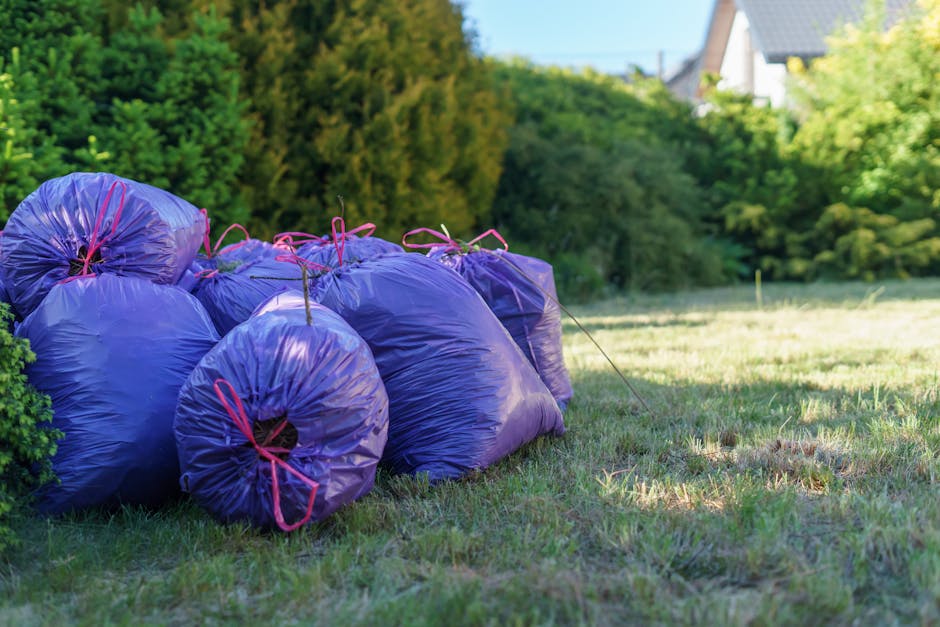
- Tough reusable bags or bins for moving waste safely.
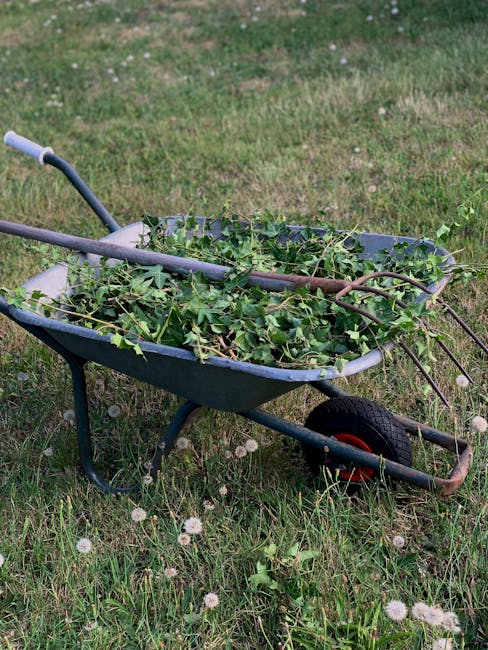
- A wheelbarrow or garden trolley if access is awkward or loads are heavier.
- Shredder or chipper where appropriate, especially for woody prunings.
- Tarpaulin for dragging material across the garden without scraping the lawn.
On the planning side, a few web pages on the site can support broader gardening decisions. If you are refining the shape of the garden or reducing bulky growth, hedge trimming ideas and fast-growing privacy hedge guidance may help you choose plants and maintenance patterns that create less future waste.
For larger jobs, a professional team can also help you line up the work with the right disposal method. If you need a broader service package, browse gardening services, landscaping support, or tree surgery depending on the type of material involved.
And if you want to understand how a company handles standards, policy, and customer care, it is sensible to review pages such as insurance and safety, health and safety policy, terms and conditions, and payment and security. That kind of transparency matters, even for outdoor work.
Law, Compliance, Standards, or Best Practice
Garden waste handling sits in a practical space where council rules, environmental best practice, and common sense overlap. The exact Brent Council rules may change, so the safest approach is always to confirm current guidance before placing anything out for collection or arranging disposal.
Best practice usually means three things:
- Separate waste types correctly. Green waste, soil, timber, and general rubbish should not be treated as the same thing.
- Keep loads safe and manageable. This protects the people handling them, including you.
- Avoid fly-tipping or informal dumping. Even small shortcuts can create bigger problems later.
For professional gardeners, there is also a duty to work carefully and responsibly when removing garden waste from client sites. That means using sensible lifting methods, maintaining safe walkways, and not leaving debris behind in a way that causes nuisance or hazard. If you are hiring someone, ask how they manage waste as part of the job, not as an afterthought.
The best garden practice is usually the least dramatic one. Keep waste streams clean, reduce what you can, and match the disposal method to the job. It sounds basic. It is basic. But the basics keep everything smooth.
Options, Methods, or Comparison Table
Choosing the right option depends on volume, time, access, and what type of waste you are dealing with. Here is a simple comparison that helps narrow it down.
| Option | Best For | Pros | Limitations |
|---|---|---|---|
| Council garden waste collection | Regular household green waste | Convenient, routine, often cost-effective | Usually restricted to accepted materials and set rules |
| Home composting | Leaves, soft clippings, kitchen-friendly garden organics | Low waste, eco-friendly, useful compost output | Needs space, time, and the right mix of materials |
| Private waste removal | Large clearances or mixed debris | Flexible, quick, suitable for bulky jobs | Usually costs more than routine council collection |
| Mulching or shredding on-site | Woody cuttings and prunings | Reduces volume, improves soil cover | Needs equipment and correct use |
| Professional garden maintenance | Recurring upkeep with predictable waste | Less stress, cleaner results, fewer surprise piles | Requires an ongoing service arrangement |
In many cases, the best answer is a blend rather than a single method. For example, you might compost leaves, book council collection for the softer material, and use a professional team for a hedge or tree-heavy job. That combination keeps things sensible.
Case Study or Real-World Example
Imagine a typical Brent back garden after a few months of growth. The borders are full, the hedge has run away a bit, and the lawn has produced clippings after a first spring cut. There is also a pile of leaves in the corner that has gone from "I'll deal with that later" to "right, that needs sorting today."
The homeowner starts by separating the material into three groups: soft green waste, woody cuttings, and the odd bits that do not belong with garden waste at all. The soft material is bagged for collection. The woody material is cut down smaller and partly chipped for mulch. The rest is removed separately. The result is a much smaller waste pile and a garden that feels usable again.
Now compare that with a different approach: everything dumped into one enormous heap, left for two wet days, and then carried out in a rush. Heavier bags, more mess, and likely a frustrated back by the end of it. The first approach takes a little thought. The second takes regret. You can guess which one most people prefer afterwards.
For larger, more complex gardens, a similar process often sits alongside wider services like patio cleaning, fencing, or decking services when the outdoor space needs a broader refresh. Garden waste removal then becomes part of a larger tidy-up, not an isolated chore.
Practical Checklist
Use this quick checklist before you start a garden clear-up:
- Check the current Brent Council guidance for accepted garden waste items.
- Separate green waste from soil, rubble, plastics, and general rubbish.
- Decide what can be composted, mulched, or reused on-site.
- Trim bulky material into manageable lengths before moving it.
- Prepare bags, bins, or containers that are strong enough for the load.
- Plan the route from garden to storage or collection point.
- Schedule collection or disposal as soon as the waste is ready.
- Inspect the garden for hidden debris, sharp cuttings, or damp piles.
- Review whether regular maintenance would reduce future waste build-up.
- Ask for professional help if the job is too bulky, awkward, or time-sensitive.
Practical summary: the easiest waste plan is usually the one built into your routine, not the one you invent during a Saturday panic. Keep waste separated, keep it moving, and keep your maintenance steady. That is the real secret.
Get a free quote today and see how much you can save.
Conclusion
Brent Council garden waste rules and gardeners options are really about making outdoor care more manageable. Once you understand what can be collected, what can be composted, and when professional help is worth it, the whole process becomes far less stressful. A good system keeps your garden healthier, your paths clearer, and your weekends a bit more your own.
If you are dealing with regular clippings, a seasonal clear-out, or a garden that has simply got away from you, the best next step is to choose the disposal method that fits the scale of the job. Small and steady is often easier than large and chaotic. Always.
And if you want a garden that feels calmer, cleaner, and easier to live with, start by sorting the waste properly. The rest tends to follow.
Frequently Asked Questions
What counts as garden waste under Brent Council rules?
Garden waste usually means organic material from outdoor maintenance, such as grass cuttings, leaves, hedge trimmings, and small prunings. However, accepted items can vary, so it is always wise to check the current council guidance before putting anything out.
Can I put soil in my garden waste bin?
Often, soil is treated differently from green garden waste and may not be accepted in the same collection. Heavy soil can create handling problems, so it is best to separate it and follow the current disposal instructions for your area.
Are branches and logs accepted with normal garden waste?
Small branches may be accepted if they are within the council's limits, but thicker wood, logs, and large woody waste often need another route. Chopping material down or using a private clearance option may be more practical.
What is the cheapest way to deal with garden waste?
For small, regular amounts, council collection or home composting is usually the most economical route. If you already maintain the garden often, that reduces volume and keeps disposal costs lower over time.
Is composting better than using council collection?
It depends on your space and the type of waste. Composting is excellent for soft organic material and can reduce how much leaves your property. Council collection is more convenient if you do not have space or time to manage a compost heap.
When should I hire a gardener for waste removal?
Hiring a gardener makes sense when the waste is bulky, the access is awkward, or the job is part of a bigger clear-up. It is especially helpful after hedge cutting, tree work, or a neglected garden reset.
Can gardeners take away all the waste they create?
Many gardeners can arrange waste removal as part of the job, but the method depends on the service, the waste type, and local rules. It is sensible to ask in advance so there are no surprises later.
How often should I clear garden waste?
That depends on the season and the size of your garden. Light regular clear-ups are better than waiting for a huge pile to build up. Spring and autumn usually need extra attention.
What happens if I mix rubbish with green waste?
Mixed waste can be refused, cost more to process, or create problems during sorting. It is safest to keep garden waste separate from plastics, packaging, and general household rubbish from the start.
Do I need special equipment to manage garden waste properly?
Not always, but a few basics help a lot: strong gloves, cutting tools, a rake, and a sturdy bin or bag. For bigger jobs, a wheelbarrow or shredder can make the process much easier.
Is it worth planning waste management before I start gardening work?
Absolutely. A small bit of planning saves a lot of effort later. If you know where the waste will go before you start cutting, you are far less likely to end up with an untidy pile and a long afternoon ahead.
Where can I get help with a full garden tidy-up in Brent?
If you need support with maintenance, trimming, clearance, or a larger outdoor refresh, it helps to look at professional garden services and choose the level of help that suits the job. A good service should make the whole process simpler, not more complicated.